

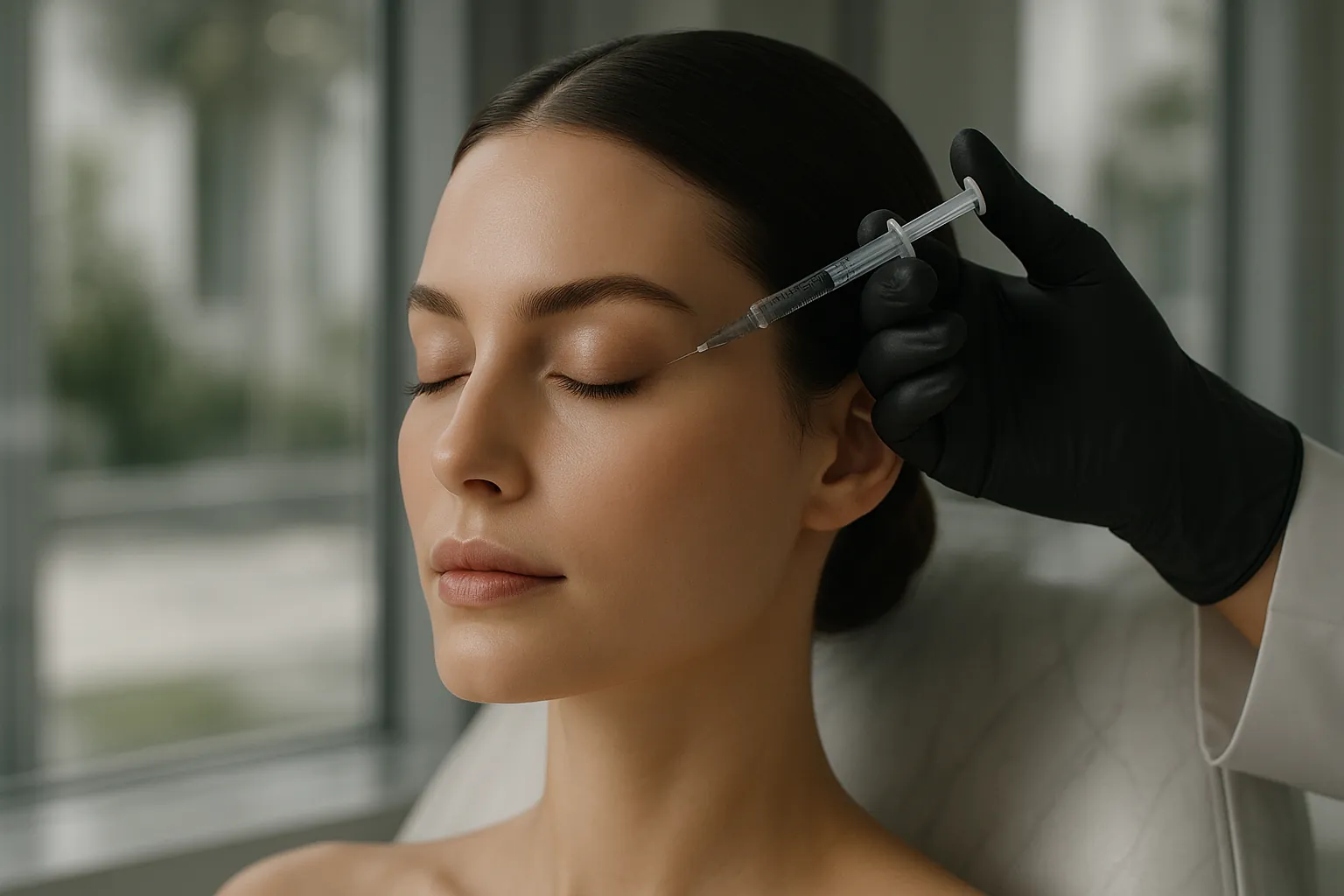
Set realistic expectations from the start
A simple breakdown of settling time, aftercare, touch-up timing, and how to keep results looking natural. This guide explains the timeline behind “Botox timeline: when results appear and what to avoid after treatment”, including what may be visible early, what takes longer, and how to avoid judging the result too soon.
What this article covers
You will learn how Botox typically progresses, what can affect timing, why review points matter, and how to think about maintenance without over-treating.
Who this guide is for
For clients who want to understand the pace of change with Botox, especially if they are preparing for an event, planning maintenance or comparing quick glow with gradual improvement.
When to expect visible change
Botox does not work instantly. Many clients notice softening over several days, with the most balanced result usually assessed around the two-week point before any maintenance decision is made.
Safety and suitability notes
Botox placement and dose should be tailored to facial movement, muscle strength and the look you want to preserve. The goal is controlled softening, not freezing the face.
What to ask in consultation
Ask when the first visible change may appear, when the result should be judged, whether maintenance is needed and what factors could slow or soften the outcome.
Why this matters for Botox
A simple breakdown of settling time, aftercare, touch-up timing, and how to keep results looking natural. This guide is written for clients who want to understand Botox before sitting in the treatment chair. The goal is not to push one option, but to make the consultation clearer, safer and more useful.
What is normal after treatment
After Botox, the early phase is about settling, not judging the final result too quickly. Most clients start to notice change within a few days, with the final effect usually assessed around the two-week mark. Mild changes such as tenderness, temporary swelling, tightness or sensitivity may be normal depending on the treatment type, but anything severe or unusual should be checked.
What to avoid while the result settles
Aftercare is not just a formality. For Botox, the safest advice is to avoid unnecessary pressure, heat, aggressive skincare, heavy exercise or massage when your clinician tells you to, because these can interfere with settling or irritate the area.
What to ask during consultation
Ask which muscles are being treated, why that unit range is suitable, when to review the result and whether a touch-up is appropriate. You should also ask what would make the clinician choose a different treatment, because that answer often reveals whether the plan is truly personalised.
How to keep the result refined
Good Botox planning is conservative: the aim is softening movement, not removing your expression completely. Good results usually come from correct treatment choice, measured planning, aftercare and review timing — not from doing the most in one visit.
When Botox may not be the right first step
It is best for expression lines and muscle-related concerns; it does not replace filler, skinbooster or resurfacing when the concern is volume loss or skin texture. If the concern is coming from a different cause, BABE may recommend an alternative or combined plan rather than forcing the treatment to fit.
The takeaway
Botox timeline: when results appear and what to avoid after treatment is a useful topic because it helps you arrive with better questions. The most valuable outcome is a plan that is safe, realistic and elegant enough to still feel like you.
Still researching Botox?
Use this guide as a starting point, then compare it with the Botox treatment page or ask BABE which option fits your concern.