

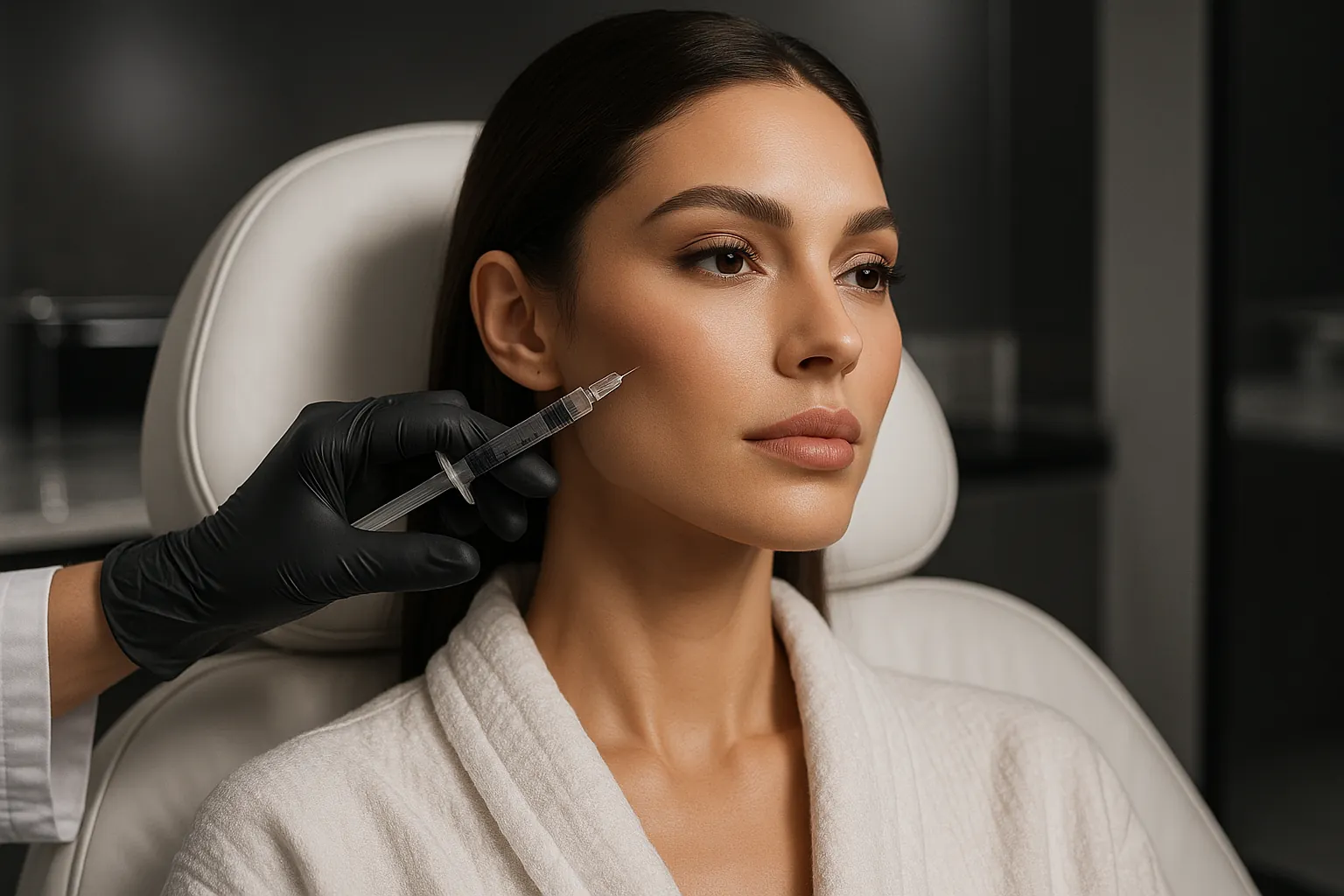
Plan the treatment properly
What influences filler amount, from bone structure and volume loss to your desired level of definition. This guide breaks down how planning works for Cheek Filler, including amount, area, package, session timing or course structure where relevant. It explains why the safest plan is personalised rather than copied from a menu line.
What this article covers
You will learn how clinicians think about amount, treatment area, package choice or session planning for Cheek Filler, and why the final recommendation should be based on assessment.
Who this guide is for
For clients who want a realistic plan for Cheek Filler before booking, especially if they are trying to understand dosage, ml, threads, sessions, tubes, packages or treatment frequency.
Course, review and maintenance planning
Filler can look visible straight away, but swelling and tissue settling matter. Most areas need a settling period before judging symmetry, volume or whether a retouch is useful.
Safety and suitability notes
Cheek Filler should be planned around anatomy and suitability, especially in delicate or structural areas. The safest result is usually the one that respects proportion and avoids overcorrection.
What to ask in consultation
Ask how the amount or session plan is chosen, what would be too much, when to review progress, and what signs show that a gentler or different approach would be better.
Why this matters for Cheek Filler
What influences filler amount, from bone structure and volume loss to your desired level of definition. This guide is written for clients who want to understand Cheek Filler before sitting in the treatment chair. The goal is not to push one option, but to make the consultation clearer, safer and more useful.
Why numbers are only a starting point
Planning for Cheek Filler should never be copied from someone else. The plan is built around mid-face support, cheek volume and soft lift, your anatomy, facial balance and how natural you want the result to look. Amounts, units, sessions or packages can guide the conversation, but the final plan must be decided after assessment.
What changes the plan from person to person
The area being treated, anatomy, skin quality, previous treatments, comfort level and desired finish all affect the recommendation. That is why a conservative first session can sometimes be smarter than trying to complete everything at once.
What to ask during consultation
Ask why the chosen area is being treated first, how many ml are realistic, what swelling to expect and what would make the doctor avoid treatment. You should also ask what would make the clinician choose a different treatment, because that answer often reveals whether the plan is truly personalised.
How to keep the result refined
Safe filler treatment depends on anatomy, product choice, injection depth, placement and a clear plan for managing risk. Good results usually come from correct treatment choice, measured planning, aftercare and review timing — not from doing the most in one visit.
When Cheek Filler may not be the right first step
Filler can support shape or volume, but it cannot replace skin tightening, muscle relaxation, resurfacing or regenerative treatment when those are the real concern. If the concern is coming from a different cause, BABE may recommend an alternative or combined plan rather than forcing the treatment to fit.
The takeaway
How many ml of cheek filler might be needed? is a useful topic because it helps you arrive with better questions. The most valuable outcome is a plan that is safe, realistic and elegant enough to still feel like you.
Still researching Cheek Filler?
Use this guide as a starting point, then compare it with the Cheek Filler treatment page or ask BABE which option fits your concern.