

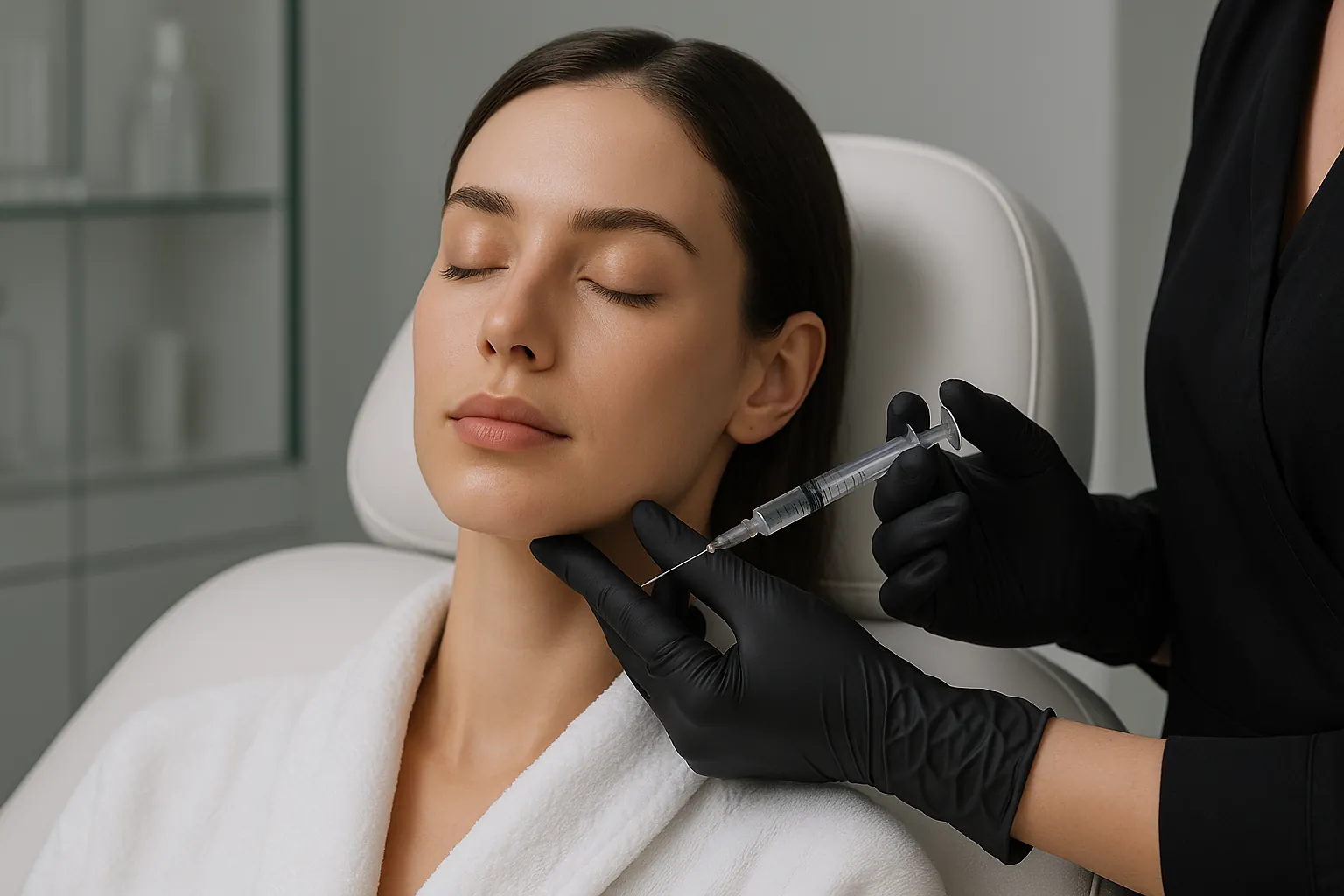
Understand Filler Dissolving before booking
Learn how long to wait, what should settle first, and how to rebuild the area more carefully. This guide explains when can you refill in a practical, client-friendly way. It covers what the treatment is meant to improve, what it cannot promise, and how BABE approaches planning with restraint.
What this article covers
You will learn what Filler Dissolving is designed to do, who it may suit, what result is realistic, and which details should be checked before choosing a plan.
Who this guide is for
For clients researching Filler Dissolving in Bali who want more than a quick sales page and prefer to understand the treatment properly before consultation.
What to expect over time
Dissolving and swelling do not always settle on the same day. The area should be reviewed after it calms before any refill or reconstruction plan is made.
Safety and suitability notes
Filler dissolving is a correction treatment and needs careful assessment, especially if the original filler type, amount or placement is unclear. Allergy history and staged correction matter.
What to ask in consultation
Ask what is being dissolved, whether a patch test or staged approach is needed, when swelling should settle, and how long to wait before rebuilding with filler if appropriate.
Why this matters for Filler Dissolving
Learn how long to wait, what should settle first, and how to rebuild the area more carefully. This guide is written for clients who want to understand Filler Dissolving before sitting in the treatment chair. The goal is not to push one option, but to make the consultation clearer, safer and more useful.
Why numbers are only a starting point
Planning for Filler Dissolving should never be copied from someone else. The doctor assesses correction or reduction of unwanted hyaluronic-acid filler when clinically suitable, how much product may be present and whether treatment should be staged. Amounts, units, sessions or packages can guide the conversation, but the final plan must be decided after assessment.
What changes the plan from person to person
The area being treated, anatomy, skin quality, previous treatments, comfort level and desired finish all affect the recommendation. That is why a conservative first session can sometimes be smarter than trying to complete everything at once.
What to ask during consultation
Ask what is being dissolved, whether a patch test or staged approach is recommended and when filler could be replaced if desired. You should also ask what would make the clinician choose a different treatment, because that answer often reveals whether the plan is truly personalised.
How to keep the result refined
This is a medical correction treatment, so allergy history, product type, area and urgency must be reviewed carefully. Good results usually come from correct treatment choice, measured planning, aftercare and review timing — not from doing the most in one visit.
When Filler Dissolving may not be the right first step
It will not correct non-HA products, scarring, skin laxity or concerns that are not caused by filler. If the concern is coming from a different cause, BABE may recommend an alternative or combined plan rather than forcing the treatment to fit.
The takeaway
After filler dissolving: when can you refill? is a useful topic because it helps you arrive with better questions. The most valuable outcome is a plan that is safe, realistic and elegant enough to still feel like you.
Still researching Filler Dissolving?
Use this guide as a starting point, then compare it with the Filler Dissolving treatment page or ask BABE which option fits your concern.