

Aftercare, recovery and settling explained
A practical guide to tenderness, swelling, movement restrictions and settling time. This guide explains what is normal after Molding PDO, what should be avoided, and when the result or skin response should be reviewed. It keeps the focus on realistic recovery, sensible aftercare and signs that deserve clinic advice.
What this article covers
You will learn what is usually expected after treatment, what to avoid, what may simply be part of settling, and when it is worth contacting the clinic for advice.
Who this guide is for
For clients who are planning Molding PDO or have already booked and want to understand the first hours, first days and review window without panic or guesswork.
Recovery and review timing
Thread results can look different in the first days because swelling, tenderness and tissue tension are part of settling. The final impression is judged after the area calms and the lift softens into the face.
Safety and suitability notes
Molding PDO should be planned around skin thickness, laxity and facial structure. Thread count or package name matters less than whether the lift vector is right for your face.
What to ask in consultation
Ask what is normal for swelling, tenderness or redness, what you should avoid, when you can return to skincare, exercise or makeup, and when the result should be reviewed.
Why this matters for Molding PDO
A practical guide to tenderness, swelling, movement restrictions and settling time. This guide is written for clients who want to understand Molding PDO before sitting in the treatment chair. The goal is not to push one option, but to make the consultation clearer, safer and more useful.
What is normal after treatment
After Molding PDO, the early phase is about settling, not judging the final result too quickly. Early lift and swelling can change over the first days and weeks; collagen-supporting effects are more gradual. Mild changes such as tenderness, temporary swelling, tightness or sensitivity may be normal depending on the treatment type, but anything severe or unusual should be checked.
What to avoid while the result settles
Aftercare is not just a formality. For Molding PDO, the safest advice is to avoid unnecessary pressure, heat, aggressive skincare, heavy exercise or massage when your clinician tells you to, because these can interfere with settling or irritate the area.
What to ask during consultation
Ask which thread type is being used, how many threads are planned, where they will sit and what downtime or sensations are normal. You should also ask what would make the clinician choose a different treatment, because that answer often reveals whether the plan is truly personalised.
How to keep the result refined
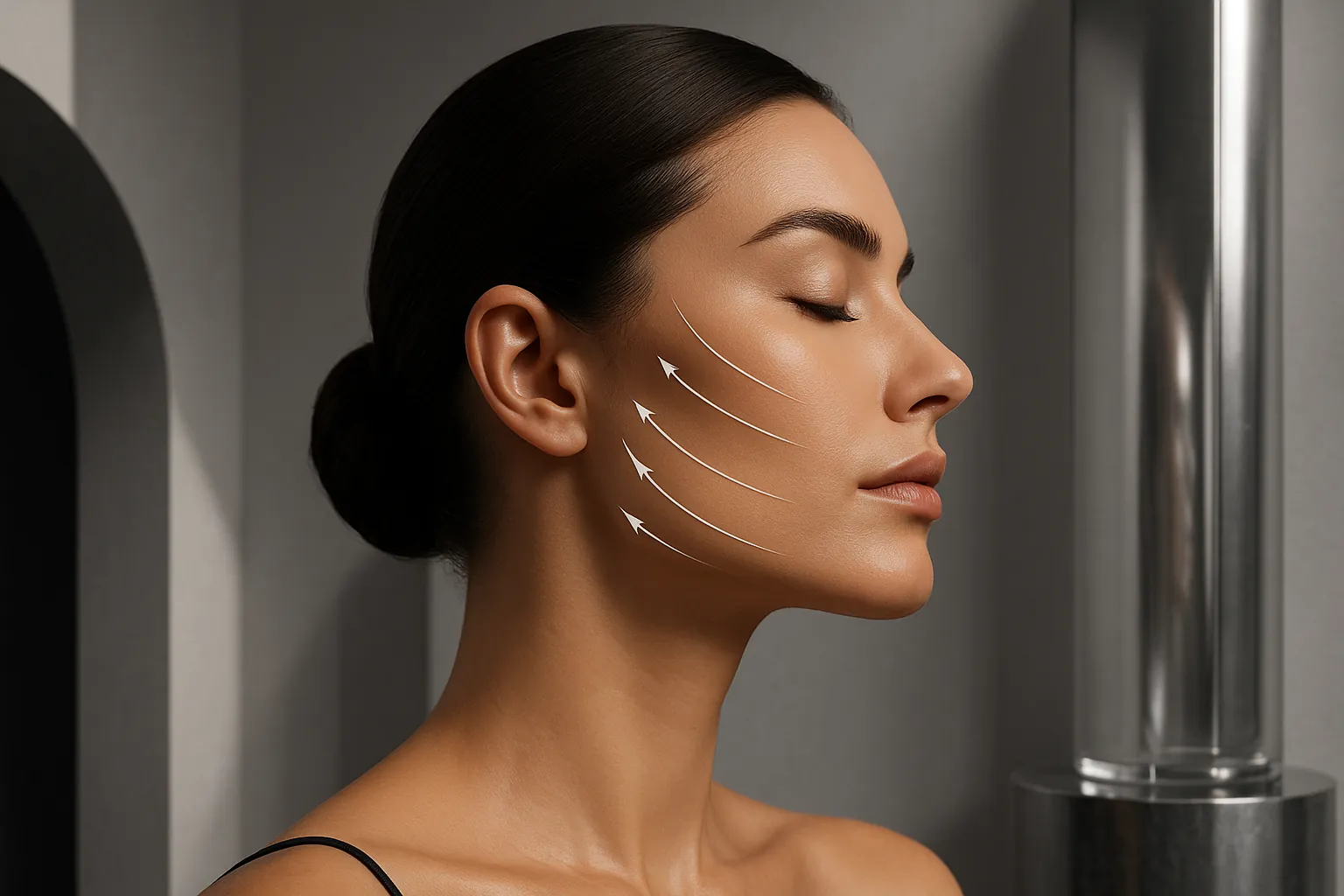
Thread placement should be mapped carefully so the lift supports the face rather than pulling it into an obvious or uncomfortable shape. Good results usually come from correct treatment choice, measured planning, aftercare and review timing — not from doing the most in one visit.
When Molding PDO may not be the right first step
Threads can support mild-to-moderate lift and firmness, but they are not a substitute for surgery when laxity is advanced. If the concern is coming from a different cause, BABE may recommend an alternative or combined plan rather than forcing the treatment to fit.
The takeaway
Molding PDO recovery: what to expect after treatment is a useful topic because it helps you arrive with better questions. The most valuable outcome is a plan that is safe, realistic and elegant enough to still feel like you.
Still researching Molding PDO?
Use this guide as a starting point, then compare it with the Molding PDO treatment page or ask BABE which option fits your concern.