

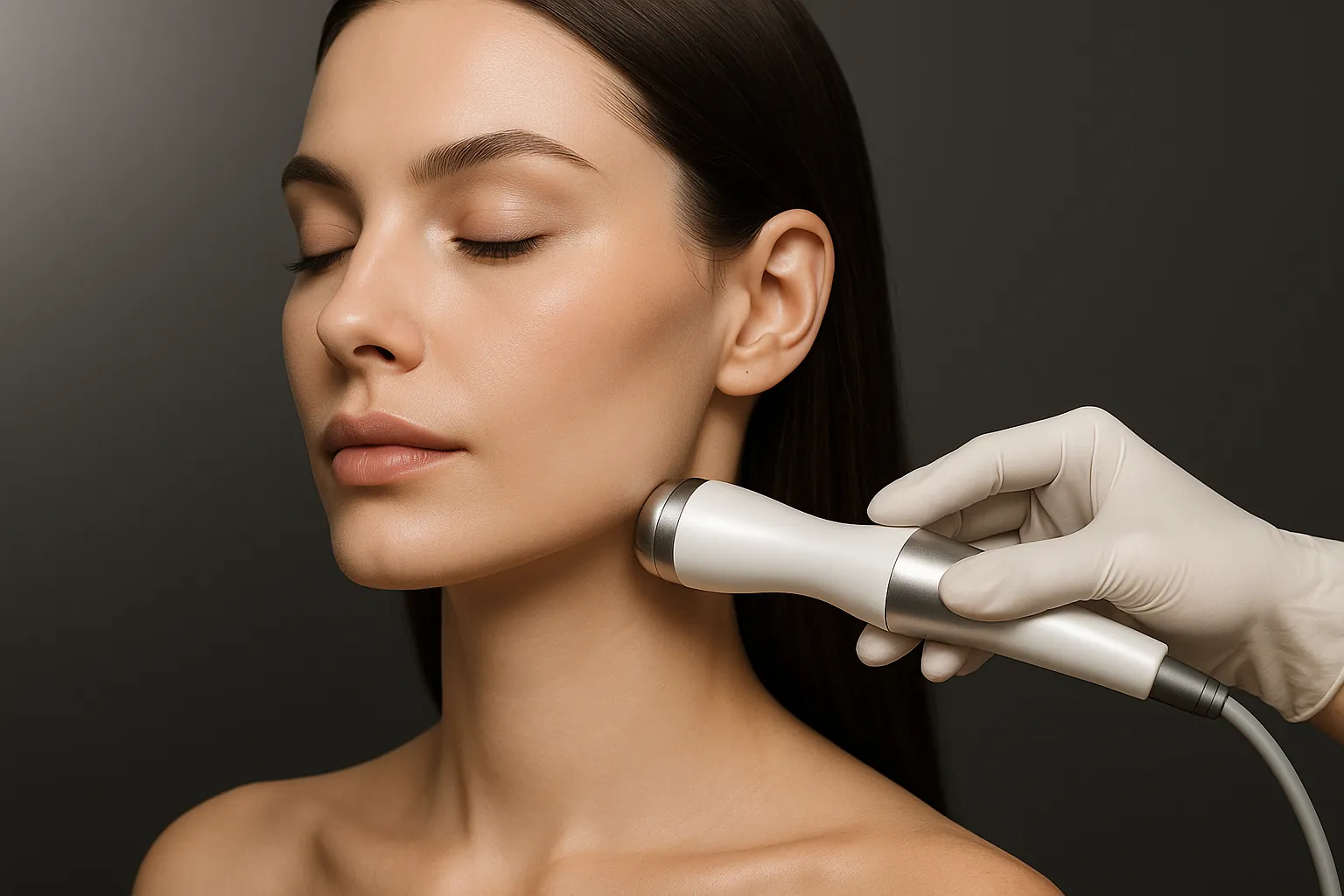
Read this before you decide
How treatment is planned to avoid hollowing while improving a heavy cheek appearance. This guide focuses on suitability and the checks that matter before choosing Meso Cheek Area. It looks at the points that can change the plan, including anatomy, skin quality, treatment history and realistic expectations.
What this article covers
You will learn the main suitability checks behind “Cheek-area mesotherapy: softening facial fullness carefully”, what can make treatment more complex, and what a careful consultation should clarify before anything is done.
Who this guide is for
For clients who want a medically careful explanation before choosing Meso Cheek Area, especially if the area is delicate, the concern is complex or previous treatments affect the plan.
Why careful planning changes the result
Mesotherapy is not an instant reshaping treatment. Swelling can happen early, while contour change is usually assessed over a course and depends on the area, dose and body response.
Safety and suitability notes
Meso Cheek Area is for selected localised areas, not general weight loss. The plan should protect natural balance and avoid chasing aggressive reduction in areas where skin or facial structure needs support.
What to ask in consultation
Ask what makes you suitable or unsuitable, what risks are specific to the area, what the backup plan is, and whether a safer alternative should be considered first.
Why this matters for Meso Cheek Area
How treatment is planned to avoid hollowing while improving a heavy cheek appearance. This guide is written for clients who want to understand Meso Cheek Area before sitting in the treatment chair. The goal is not to push one option, but to make the consultation clearer, safer and more useful.
How Meso Cheek Area works
Mesotherapy for slimming targets selected localised areas and is planned by area and dose, not as a general weight-loss treatment. The clinician checks whether the concern is localised fat, skin laxity, muscle, swelling or structure before recommending treatment.
What makes the plan personal
The right approach depends on your starting point, treatment history, comfort level and desired finish. The consultation should explain why this treatment is being recommended instead of simply listing what is available.
What to ask during consultation
Ask which area is being targeted, how many sessions are expected, what swelling is normal and whether RF tightening should be combined. You should also ask what would make the clinician choose a different treatment, because that answer often reveals whether the plan is truly personalised.
How to keep the result refined
The dose, area and spacing should be controlled carefully, especially around the face, chin and areas where over-treatment can look hollow. Good results usually come from correct treatment choice, measured planning, aftercare and review timing — not from doing the most in one visit.
When Meso Cheek Area may not be the right first step
Meso can support contour refinement, but it cannot replace lifestyle changes, surgery or skin tightening when laxity is the main issue. If the concern is coming from a different cause, BABE may recommend an alternative or combined plan rather than forcing the treatment to fit.
The takeaway
Cheek-area mesotherapy: softening facial fullness carefully is a useful topic because it helps you arrive with better questions. The most valuable outcome is a plan that is safe, realistic and elegant enough to still feel like you.
Still researching Meso Cheek Area?
Use this guide as a starting point, then compare it with the Meso Cheek Area treatment page or ask BABE which option fits your concern.